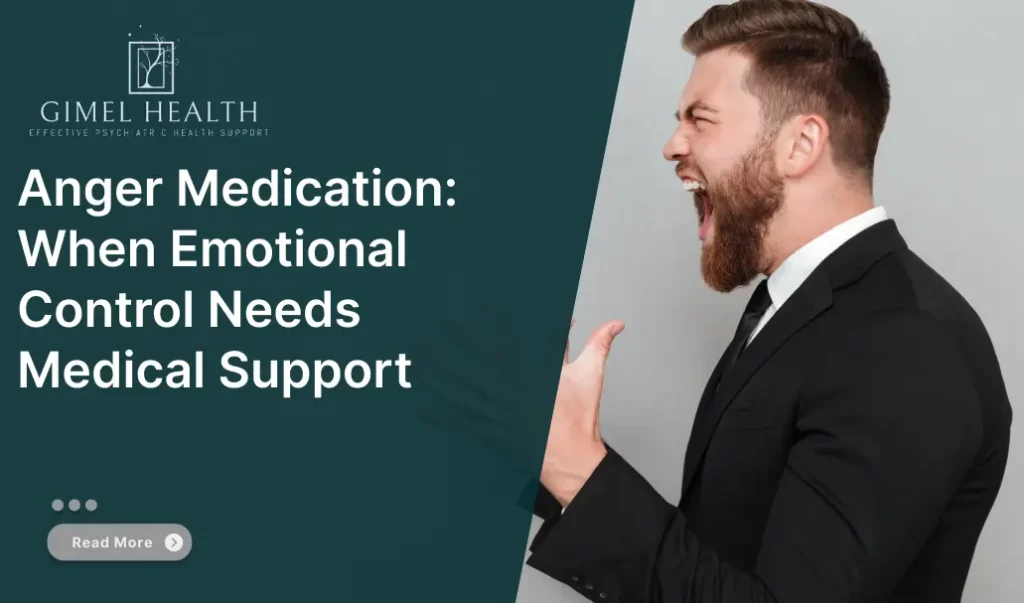
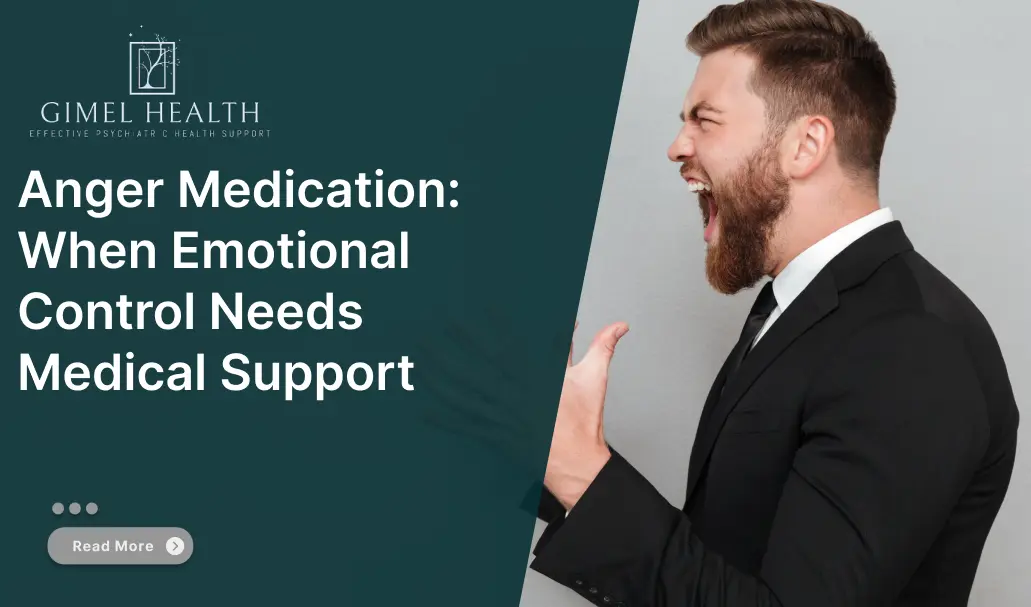
Anger is a normal emotion, but when it becomes intense, unpredictable, or destructive, it may signal deeper mental health issues. Persistent anger problems can disrupt daily life, damage relationships, and affect long-term health outcomes. At Gimel Health, we provide evidence-based anger medication NJ and integrated mental health treatment to help individuals regain emotional balance and control anger safely and effectively.
Understanding Anger As A Mental Health Condition
Uncontrolled anger is often linked to underlying mental illness rather than personality flaws. Conditions such as bipolar disorder, intermittent explosive disorder, Borderline Personality Disorder, and Disruptive Mood Dysregulation Disorder are recognized in the Diagnostic and Statistical Manual and the Statistical Manual of Mental Disorders as contributors to mood dysregulation and anger outbursts.
Anger symptoms may include aggressive behavior, explosive outbursts, intense anger, mood swings, impulse control difficulties, and emotional regulation challenges. These symptoms frequently co-occur with anxiety disorders, post-traumatic stress disorder, traumatic stress disorder, Attention deficit hyperactivity disorder, conduct disorders, or Substance Use Disorder.
When Anger Medication NJ Becomes The Right First Step
For individuals who struggle with uncontrolled anger despite lifestyle changes or talk therapy, medication treatment may be the first step toward stability. Anger medication is not about suppressing emotions. It is about addressing the root cause, restoring serotonin levels, and improving impulse control so healthier coping mechanisms can take hold.
A qualified mental health professional or healthcare provider evaluates underlying causes of anger, emotional state, and medical history before recommending medication options.
Types Of Medications Used To Treat Anger
There is no single best medication for anger. Treatment depends on diagnosis, severity, and co-occurring mental health conditions.
Antidepressants And Anxiety Medications
Antidepressant medication, including Selective Serotonin Reuptake Inhibitors, may help treat anger by stabilizing mood and reducing emotional reactivity. These medications are often used for anxiety medications and anti-anxiety medications when anger is tied to anxiety and depression.
Mood Stabilizers And Antipsychotics
For mood disorders such as bipolar disorder, medications like valproic acid or Atypical antipsychotics may be recommended. In some cases, antipsychotic medications reduce aggressive behavior and intense anger by improving mood dysregulation and impulse control.
Medication management is always handled by an experienced healthcare professional following Drug Administration guidelines.
Medication Management As Part Of A Comprehensive Treatment Plan
Effective anger management medication works best when combined with therapy and behavioral support. Cognitive-behavioral therapy and Dialectical Behavior Therapy teach coping, communication, and emotional regulation skills. Talk therapy also helps uncover underlying issues and unresolved trauma.
Lifestyle changes such as relaxation techniques, deep breathing, stress reduction, and heart rate regulation improve outcomes long-term. Support groups and structured treatment programs further reinforce progress.
Long-Term Results And Quality Of Life Improvements
Left untreated, chronic anger increases risk for relationship breakdowns, workplace issues, and physical health problems. With proper medication management, therapy, and healthcare support, individuals experience improved emotional control, healthier relationships with loved ones, and sustained emotional stability long-term.
Anger medication is not about losing your edge. It is about reclaiming control.
If you or a loved one struggles with uncontrolled anger, aggressive behavior, or mood instability, professional help can change everything. Gimel Health offers compassionate, evidence-based anger medication and mental health treatment tailored to your needs. Schedule a consultation today and take the first step toward clarity, control, and confidence.