If you have been searching for OCD treatment...Read More
Post-traumatic stress disorder doesn’t always look the way people expect. It’s not only veterans or first responders. It shows up in young adults who experienced childhood trauma. In service members who came home but couldn’t leave it behind. In survivors of sexual assault, domestic violence, or sexual abuse. In people who’ve been through a natural disaster, a sudden loss, or a series of life transitions that ground them down over time. PTSD treatment NYC providers see all of it, and at Gimel Health, so do I.
What makes PTSD particularly difficult to treat is that traumatic memories don’t stay in the past. They intrude on daily life through flashbacks, emotional numbness, intrusive memories, hypervigilance, and physical symptoms that most people don’t immediately connect to the traumatic event they experienced. Untreated, the effects of trauma spread into relationships, into work, into the ability to feel safe. Many patients who come to Gimel Health have already tried talk therapy or individual therapy and found it wasn’t enough on its own. That’s often where psychiatric medication management becomes part of the picture.
At Gimel Health in Fort Lee, NJ, serving patients across New York City, Long Island, Staten Island, and New Jersey, I take a trauma-informed approach to PTSD treatment that starts with understanding your full history before recommending anything. Evidence-based treatments for post-traumatic stress disorder include medication, cognitive behavioral therapy, cognitive processing therapy, dialectical behavior therapy, narrative therapy, and psychodynamic therapy. I focus on the medication management side, coordinating with trauma therapists and PTSD therapists who provide the therapeutic approaches that work best alongside psychiatric care.
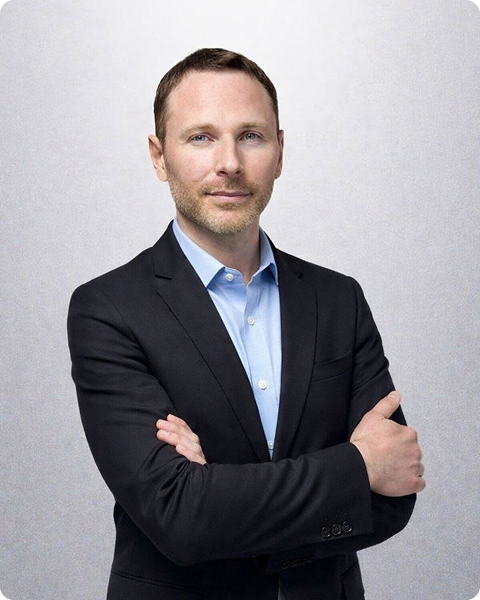
Michael Feldman, PA-C, brings extensive experience to Psychiatric Mental Health treatment through a rare combination of scientific research and clinical practice. With an academic foundation in molecular and cellular biology, he understands how biological processes influence mental health conditions and psychiatric responses.
After earning his M.Sc. from The Hebrew University of Jerusalem, PA Feldman participated in advanced research at institutions including the Weizmann Institute of Science and Mount Sinai Hospital in New York. He later completed the Physician Assistant program at PACE University – Lenox Hill Hospital in 2017.
Since then, he has worked in both inpatient and outpatient psychiatric practice settings, treating complex psychiatric conditions such as anxiety disorders, psychotic disorders, postpartum depression, autism spectrum disorder, ADHD, and resistant depression. His clinical experience allows him to stay informed about advancements in psychiatric medications, Transcranial Magnetic Stimulation, nasal spray treatments, and psychiatric medication management, ensuring patients receive evidence-based treatment options.
Fluent in English, Russian, and Hebrew, PA Feldman provides compassionate care grounded in cultural sensitivity and personalized mental healthcare.
Begin a journey of self-discovery, support, and expert care—one step at a time. We’re here to guide you with compassion
and clarity.
Book a free consultation online or by phone.
Get matched with a provider suited to your needs.
Start therapy or treatment at your own pace.
One of the most nicest, kindest and considerate doctors I met.
He went over with me thoroughly on the documents and was generous enough to explain me everything that I asked.
I think he is a real doctor of people and not just someone that’s write prescriptions.
I wanted to sincerely thank Dr Feldman for his help during my time in the U.S.
His support, especially when my country was under attack, flights were grounded and medication was hard to access, made a real difference.
He was very kind, professional, and helped me get exactly what I needed in the best and most thoughtful way.
Post-traumatic stress disorder is a mental health condition that develops after exposure to a traumatic event such as sexual assault, domestic violence, sexual abuse, combat, a natural disaster, or other overwhelming experiences. Symptoms of PTSD include intrusive memories, flashbacks, emotional numbness, hypervigilance, sleep disruption, and avoidance of anything connected to the traumatic experience. Diagnosis is based on a full psychiatric evaluation of your symptoms, history, and how the impact of trauma is affecting your daily life. At Gimel Health, that evaluation takes up to 50 minutes and covers your full clinical picture before any treatment modality is discussed.
My focus is psychiatric medication management for PTSD, identifying and prescribing evidence-based treatments that reduce the intensity of PTSD symptoms and create enough stability for therapy to work. I coordinate with trauma therapists and PTSD therapists who provide cognitive behavioral therapy, cognitive processing therapy, dialectical behavior therapy, narrative therapy, psychodynamic therapy, and other evidence-based therapies. Family therapy and couples therapy are also options I can refer patients toward when trauma symptoms are affecting close relationships. The combination of medication and trauma therapy tends to produce better outcomes than either alone.

No referral is needed. Patients across New York City, Long Island, Staten Island, and New Jersey can book directly through the Gimel Health website or by phone. If your primary care physician or another mental health professional has recommended psychiatric support alongside your trauma therapy, Gimel Health is a natural fit for that coordination. Some insurance plans require a referral for reimbursement purposes, so it’s worth confirming with your provider before your first appointment.
General mental health counseling covers a broad range of mental health issues. PTSD treatment is specifically focused on the effects of trauma, traumatic memories, trauma symptoms, and the ways traumatic experiences reshape how a person thinks, feels, and moves through the world. Effective treatment for post-traumatic stress disorder requires providers with experience in trauma-informed care and therapeutic approaches designed for trauma specifically, not adapted from general mental health care. At Gimel Health, I work exclusively with the psychiatric side of that picture and refer to specialist PTSD therapists for the therapy component.
Yes. Medication is one of the evidence-based treatments for post-traumatic stress disorder recognised across the United States. Certain medications reduce the frequency and intensity of intrusive memories, improve sleep, lower hyperarousal, and support emotional regulation, making it easier for patients to engage with trauma therapy and rebuild coping skills. Medication isn’t right for every patient, and I won’t recommend it unless the clinical picture supports it. But for many people dealing with PTSD symptoms that are disrupting daily life, it makes a meaningful difference to the overall treatment program.
This is more common than most people realise. Substance use disorders and eating disorders frequently develop as coping strategies for unprocessed trauma symptoms, and treating one without addressing the other rarely works long-term. At Gimel Health, I take the overlapping conditions into account during the initial evaluation and build a treatment plan that reflects the full picture. Where specialised outpatient programs are a better fit for the addiction or eating disorder side, I’ll refer appropriately while continuing to manage the psychiatric component.
Yes. First responders and service members face a specific kind of traumatic stress disorder exposure, repeated, cumulative, and often without space to process it. I have experience working with this patient population and approach PTSD treatment for first responders and service members with the same evidence-based, biology-informed framework I use with all patients. There’s no expectation that you downplay what you’ve been through, and no judgment about how long it took to ask for help.
Gimel Health is an outpatient practice and is not set up to handle psychiatric emergencies. If you or a loved one is in crisis or experiencing suicidal thoughts, please call the National Suicide Prevention Lifeline at 988 immediately, or go to your nearest emergency department. For non-crisis PTSD treatment and ongoing mental health care, I’m here and accepting new patients.
Gimel Health operates as an out-of-network provider and does not bill insurance plans directly. Patients with out-of-network mental health benefits may be eligible for partial reimbursement, and I provide superbills after every appointment to support that process. Before your first session, contact your insurance provider to confirm your out-of-network mental health coverage. Many patients find the reimbursement process straightforward once they have the superbill.
Reach out through the contact form on this page or call us directly during business hours. Your first session is a full psychiatric evaluation of up to 50 minutes, enough time to go through your history, your trauma symptoms, and what you’re hoping to get out of treatment. From there, I’ll outline a treatment plan and we’ll decide together on the right next steps. New patients are currently being accepted for both in-person appointments at our Fort Lee, NJ office and telehealth visits across New York City, Long Island, Staten Island, and New Jersey.
Gimel Health offers precision psychiatry and medication management for mood disorders, ADHD, anxiety, depression, and more — serving patients in New Jersey and New York.
Services
Services in New Jersey
Services in New York
Have questions about our health solutions or need support? Reach out using the form below, and our specialized team will respond promptly to assist you.
(201) 815-4351
440 West Str, Ste 307, Fort Lee Bergen County NJ 07024
If you have been searching for OCD treatment...Read More
If you have searched for pills for anger...Read More
Roughly three-quarters of menstruating people experience some form...Read More
If you are considering a psychiatric evaluation NYC...Read More
If you grew up hearing the term “manic...Read More
If you have been told you have refractory...Read More
We use cookies to improve your experience on our site. By using our site, you consent to cookies.
Manage your cookie preferences below:
Essential cookies enable basic functions and are necessary for the proper function of the website.
These cookies are needed for adding comments on this website.
Google reCAPTCHA helps protect websites from spam and abuse by verifying user interactions through challenges.
Google Tag Manager simplifies the management of marketing tags on your website without code changes.
Statistics cookies collect information anonymously. This information helps us understand how visitors use our website.
Vimeo is a video hosting platform for high-quality content, ideal for creators and businesses to showcase their work.
Service URL: vimeo.com (opens in a new window)
You can find more information in our Cookie Policy and Privacy Policy.