Michael Fieldman

Precision Psychiatry

I do not believe in one-size-fits-all psychiatry. With over 10 years of experience in molecular and cellular biology research, I bring a deep understanding of neurobiological processes into anger medication evaluation and treatment. After a comprehensive psychiatric assessment, patients receive an individualized treatment plan that may include anger medication, medication management, and ongoing monitoring based on their mental health conditions and overall healthcare needs.

Anger Medication for Emotional Regulation and Impulse Control

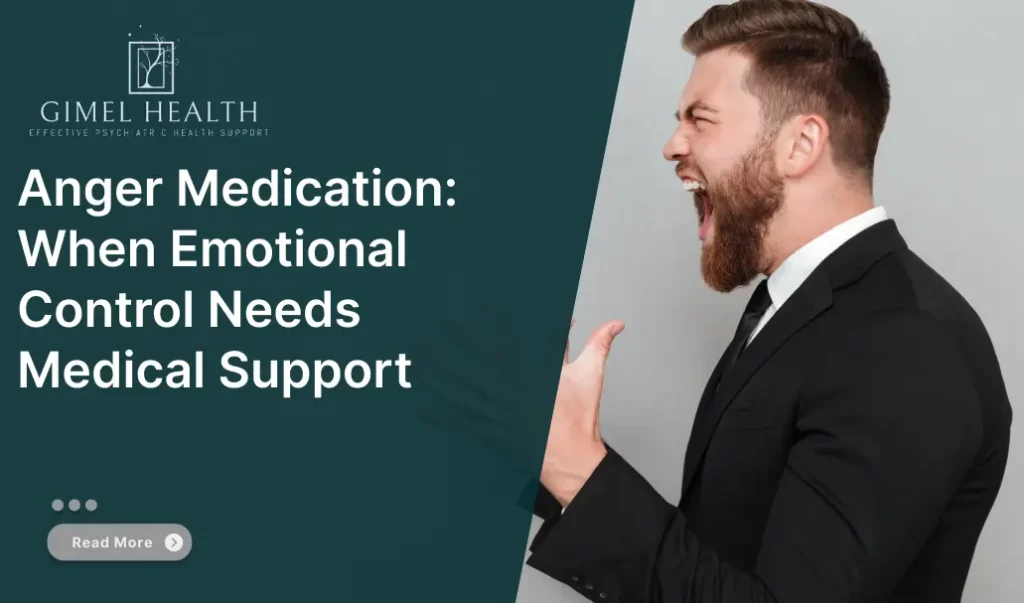
Anger is a normal emotion, but when it becomes intense, frequent, or difficult to control, it may signal underlying mental illness or mood dysregulation. Individuals struggling with uncontrolled anger, anger outbursts, aggressive behavior, or explosive outbursts may experience significant disruption to daily life, relationships, and quality of life.

Anger medication may be considered when anger problems are linked to conditions such as bipolar disorder, intermittent explosive disorder, Borderline Personality Disorder, Disruptive mood dysregulation disorder, anxiety disorders, post-traumatic stress disorder, traumatic stress disorder, Attention deficit hyperactivity disorder, conduct disorders, or Substance Use Disorder. These mental health conditions are defined using diagnostic criteria from the Diagnostic and Statistical Manual and the Statistical Manual of Mental Disorders.

Medication treatment is never one-size-fits-all. Depending on symptoms, types of medications may include Selective Serotonin Reuptake Inhibitors, antidepressant medication, anti-anxiety medications, anxiety medications, antipsychotic medications, Atypical antipsychotics, or mood stabilizers such as valproic acid. The goal is to treat anger, control anger, and reduce anger symptoms by addressing the root cause and underlying causes of anger.


Michael Feldman PA-C

Michael Feldman, PA-C, brings years of experience to anger medication management through a strong foundation in molecular and cellular biology and clinical psychiatry. His background allows him to understand how serotonin levels, neurological pathways, and biological processes influence feelings of anger, mood swings, and emotional regulation.

He earned his master’s degree from The Hebrew University of Jerusalem and participated in research at the Weizmann Institute of Science and Mount Sinai Hospital in New York. After completing the Physician Assistant program at PACE University – Lenox Hill Hospital in 2017, PA Feldman worked in inpatient and outpatient settings treating mood disorders, anxiety disorders, bipolar disorder, ADHD, substance use disorder, and complex anger management issues.

His clinical experience supports evidence-based medication management informed by systematic review data, clinical trials, and guidance from organizations such as the American Psychological Association, Drug Administration, and publications including Frontiers in Psychiatry. Fluent in English, Russian, and Hebrew, he provides compassionate, culturally sensitive care for patients and their loved ones seeking professional help.

0 +

Years of Experience

ph users light
0 %

Consistent Reliable Support

0 %

Personalized  Treatment Plan

HOW IT WORKS

Your Path to Healing Starts Here

Begin a journey of self-discovery, support, and expert care—one step at a time. We’re here to guide you with compassion
and clarity.

Contact Us

Book a free consultation online or by phone.

1

Personalized Plan

Get matched with a provider suited to your needs.

2

Begin Care

Start therapy or treatment at your own pace.

3

FAQ

Frequently Asked Question

What Does A Psychiatrist Help With?

A Psychiatrist evaluates and treats a wide range of mental health conditions using medical, diagnostic, and evidence-based approaches. This can include psychiatric evaluations, psychiatric medication management, and ongoing monitoring for conditions such as mood disorders, anxiety disorders, panic disorder, obsessive-compulsive disorder, personality disorders, eating disorders, psychotic disorders, Attention Deficit Hyperactivity Disorder, treatment-resistant depression, postpartum depression, and substance abuse. The goal is improved stability, functioning, and overall quality of life.

Anger medication refers to medications used to help manage intense anger, anger symptoms, and emotional dysregulation that are linked to underlying mental health conditions. These medications do not eliminate anger, which is a normal human emotion, but instead help regulate mood, impulse control, and emotional responses that may become overwhelming or disruptive. By stabilizing neurotransmitter activity and improving emotional regulation, anger medication can reduce the frequency and intensity of anger outbursts and aggressive behavior. Treatment is carefully tailored by a healthcare provider based on diagnosis, symptom severity, medical history, and individual needs, ensuring that the approach addresses the root cause of anger rather than just surface-level reactions.

Anger medication refers to medications used to help manage intense anger, anger symptoms, and emotional dysregulation linked to mental health conditions. These medications do not eliminate anger but help regulate mood, impulse control, and emotional responses. Treatment is tailored by a healthcare provider based on diagnosis, symptoms, and individual needs.

There is no single best medication for anger issues because effective treatment depends on the underlying causes, diagnosis, and severity of symptoms. Anger may be associated with mood disorders, anxiety disorders, intermittent explosive disorder, bipolar disorder, or other mental health conditions. A healthcare professional may consider antidepressants, anti-anxiety medications, mood stabilizers, or antipsychotic medications as part of an individualized treatment plan. Medication selection is guided by clinical evidence, safety profile, potential benefits, and possible side effects, with ongoing evaluation to ensure the medication supports emotional stability, impulse control, and long-term improvement.

Yes. As with many psychiatric medications, anger medication may cause common side effects or potential side effects depending on the type of medication, dosage, and individual response. These may include weight gain, dry mouth, mood changes, fatigue, dizziness, or gastrointestinal symptoms. Some individuals may also notice changes in sleep or energy levels. A healthcare provider closely monitors response to medication through follow-up appointments and adjustments to dosage or medication type when necessary. Reporting side effects early allows for prompt management and helps ensure safe, effective, and well-tolerated treatment over time.

Yes. While medication management is the primary focus of psychiatric care, combining medication with support groups, coping strategies, communication skills training, or referrals for therapy may improve overall outcomes. This integrated approach supports emotional regulation, managing anger, and developing healthier responses to stress and triggers. Support groups can provide shared experiences and accountability, while therapeutic referrals may help address thought patterns, coping mechanisms, and interpersonal challenges. Together, medication and supportive resources can promote long-term stability, better impulse control, and improved quality of life.

Someone should consider seeking professional help when anger leads to aggressive behavior, road rage, explosive outbursts, or persistent conflict that interferes with relationships, work performance, or daily functioning. Uncontrolled anger may also contribute to emotional distress, legal issues, or health problems such as increased stress and elevated heart rate. Reaching out for support is often the first step toward better emotional health and improved quality of life. Encouragement from a loved one can make it easier to seek care and begin addressing anger problems in a structured and supportive way.

The timeline for anger medication to take effect varies depending on the type of medication, dosage, and the individual’s mental health conditions. Some medications may begin to reduce anger symptoms and emotional reactivity within a few weeks, while others require longer periods to achieve full benefit. A healthcare provider monitors progress over time and may adjust the treatment plan as needed. Patience is important, as finding the right medication and dosage is often a gradual process focused on long-term stability rather than immediate relief.

Anger medication may be used short-term or long-term depending on the underlying causes of anger and the individual’s response to treatment. For some people, medication supports stabilization during periods of intense symptoms, while others may benefit from ongoing medication management to maintain emotional regulation. A healthcare provider regularly reassesses treatment goals, symptom improvement, and side effects to determine whether medication should be continued, adjusted, or tapered over time based on individual needs.

Yes. Anger is often a symptom of broader mental health conditions such as mood disorders, anxiety disorders, bipolar disorder, or impulse control disorders. Anger medication may help treat these underlying conditions by stabilizing mood, reducing emotional volatility, and improving impulse control. Addressing the root cause of anger can lead to more sustainable improvement in emotional responses, daily functioning, and overall quality of life when combined with appropriate psychiatric oversight.

Get In Touch

Contact us Today

Connect with Our Healthcare Experts

Have questions about our health solutions or need support? Reach out using the form below, and our specialized team will respond promptly to assist you.

Phone Number

(201) 815-4351

Location

440 West Str, Ste 307, Fort Lee Bergen County NJ 07024

BLOG & ARTICLE

Read Our Blog & Article