
Oud Fragrance and the Wellness Case for Natural, Alcohol-Free Perfumery
Most people who wear fragrance give little thought to what’s actually in the bottle. The focus is on the scent itself — how it smells, how long it lasts, how others respond to it. The ingredient list is an afterthought, if it’s considered at all.
But the contents of a conventional perfume bottle are worth examining. The average mass-market fragrance contains dozens of synthetic chemicals, many of which have raised legitimate concerns among researchers and health professionals. Alcohol, which forms the base of most spray perfumes, brings its own considerations. And synthetic fragrance compounds, used to approximate natural ingredients at lower cost, include substances that the scientific community is increasingly scrutinising.
This is not a reason to abandon fragrance. It is a reason to think more carefully about what kind of fragrance you choose. And it is precisely the context in which oud fragrance in its natural, oil-based form represents a genuinely compelling alternative.
What Conventional Perfumes Actually Contain
The fragrance industry operates under relatively limited disclosure requirements. In many jurisdictions, the specific chemical compounds used to create a fragrance can be listed simply as ‘fragrance’ or ‘parfum’ on an ingredient list, without any requirement to specify which of the hundreds of possible synthetic molecules are actually present.
This lack of transparency matters because many commonly used synthetic fragrance compounds have been associated with potential health concerns. Research supported by the National Institute of Environmental Health Sciences has examined the health impacts of chemicals found in personal care products, identifying certain fragrance-related compounds as potential allergens, hormone disruptors, and irritants with possible longer-term health implications from repeated exposure.
Synthetic musks, for example, which are among the most widely used fragrance ingredients in mainstream perfumery, have been found to accumulate in human tissue and have been associated with endocrine disruption in some research contexts. Certain phthalates, used as fixatives in many fragrances, have been similarly scrutinised. Benzyl alcohol, limonene, linalool, and many other common synthetic compounds are recognised contact allergens in sensitive individuals.
For most people wearing a mainstream perfume occasionally, the risk profile is low. But for daily wearers, for those with sensitive skin or respiratory conditions, for pregnant women, or for anyone with a general preference for cleaner personal care products, these considerations are increasingly relevant.
The Problem with Alcohol-Based Perfumes
Beyond synthetic fragrance compounds, the alcohol base of most conventional perfumes presents its own considerations. Ethanol, the alcohol used in most eau de parfum and eau de toilette products, evaporates quickly on skin, which is partly why spray perfumes project strongly in the first moments after application.
For some wearers, this evaporation causes skin dryness, tightness, or irritation, particularly around the sensitive neck and wrist areas where perfume is commonly applied. People with eczema, rosacea, or other skin conditions often find alcohol-based fragrances problematic. Those who wear fragrance near areas of broken or compromised skin have further reason for caution.
Alcohol-based perfumes also deteriorate more quickly once opened. The ethanol base oxidises over time and the fragrance compounds within it degrade faster than they would in an oil-based format. A bottle of spray perfume opened and used regularly will smell noticeably different after two to three years. An oil-based perfume stored correctly can remain stable for considerably longer.
There are also religious and cultural contexts in which alcohol use is avoided or prohibited. For individuals from Muslim backgrounds, for whom alcohol application is restricted, alcohol-free fragrance is not simply a preference but a requirement. Traditional oud fragrance, which has always been oil-based, meets this need by default.
Oud in Traditional Wellness Contexts
The wellness applications of agarwood extend well beyond fragrance. Across the cultures that have known it longest, oud has been used for purposes that we would today describe as falling within the wellness and therapeutic domains.
In traditional Ayurvedic medicine, agarwood has been used for centuries as a treatment for digestive disorders, respiratory conditions, and nervous system complaints. Its smoke has been used in therapeutic fumigation practices, and agarwood preparations appear in classical Ayurvedic texts among the most prized of medicinal plants.
In Chinese traditional medicine, agarwood, known as chen xiang, has a long history of use for digestive complaints and anxiety, and as a warming tonic. It appears in classical Chinese pharmacopoeia alongside other highly valued medicinal botanicals.
Modern research into the pharmacological properties of agarwood is in relatively early stages, but preliminary studies have explored compounds within the oil for potential anxiolytic, anti-inflammatory, and antimicrobial properties. This is not a basis for therapeutic claims, but it is context for why oud has been so persistently associated with wellbeing across so many cultures and traditions.
The Psychological Dimension of Fragrance
The relationship between scent and psychological state is well established in the scientific literature. Olfaction is the only sense with a direct neural pathway to the limbic system, the brain’s emotional and memory processing centre. This is why certain scents can trigger vivid emotional memories and why fragrance choice has a meaningful impact on mood and psychological wellbeing.
The specific qualities of oud, its warmth, depth, and grounding character, have been associated across many cultures with feelings of calm, presence, and comfort. This is not coincidental. The scent profile of oud contains compounds that interact with the olfactory system in ways that, for many people, produce a genuinely settling effect.
For those who wear fragrance consciously, as part of a daily ritual of self-care and personal expression, choosing a natural oud oil over a synthetic spray perfume is not simply a health-motivated decision. It is also an aesthetic and psychological one — choosing depth over projection, complexity over simplicity, and a fragrance experience that rewards attention rather than demanding it.
What to Look for in a Natural Oud Fragrance
For anyone wanting to explore natural oud fragrance with the wellness considerations above in mind, a few key criteria will help you identify products that genuinely deliver what they promise:
- Transparency about ingredients: a brand that lists exactly what is in the bottle and can speak specifically about their sourcing is one you can trust
- No synthetic fragrance compounds: look for products that are free from synthetic musks, phthalates, and other common additives
- Alcohol-free formulation: an oil-based format is both more traditional and more appropriate for the wellness-conscious consumer
- Ethical sourcing: given the conservation status of wild agarwood, brands that can speak to sustainable or farmed sourcing are taking the ecological dimension seriously
- Hypoallergenic credentials: brands that specifically formulate for sensitive skin and test for common allergens offer an additional layer of assurance for those with skin concerns
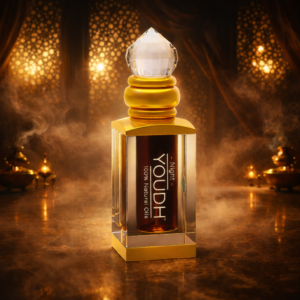
For consumers in the UK looking for a natural oud fragrance that meets all of these criteria, YOUDH offers 100% natural, alcohol-free oud perfume oils free from synthetic additives, hormone disruptors, and allergens. Their products are designed for daily wear with sensitive skin in mind, reflecting a genuine commitment to both fragrance quality and ingredient integrity.
Final Thoughts
The shift toward cleaner, more natural personal care products has reached virtually every category, from skincare to haircare to household cleaning products. Fragrance is one of the last categories where consumers have been slow to apply the same scrutiny, partly because fragrance ingredients have historically been protected from full disclosure under trade secret laws.
Natural oud fragrance, in its traditional oil-based form, represents one of the cleanest and most historically grounded options available. It is transparent by nature, gentle by formulation, and rich by character. For anyone who cares about what they put on their body as well as how they want to smell, it deserves serious consideration.