
Explosive anger can damage relationships, create problems at...Read More

If you have spent years assuming you are bad at finishing things, only to start wondering whether what you are dealing with is actually ADHD, you are part of one of the largest underdiagnosed groups in adult psychiatry. ADHD treatment NJ involves a structured psychiatric evaluation to confirm the diagnosis, identify any co-occurring conditions, and build a treatment plan that typically combines medication management with practical behavioral support. Done properly, it can be one of the most clinically responsive conditions in adult psychiatry. Done badly, it produces years of trial-and-error prescribing without much improvement.
This guide walks through how ADHD treatment NJ actually works, what diagnosis involves, the medication options most psychiatrists consider, and the most common reasons that treatment fails to land for adults.
ADHD treatment NJ is a clinical process built around accurate diagnosis, evidence-based medication, and ongoing follow-up. It is not a single appointment or a one-time prescription. The structure of treatment usually involves:
The most important part of ADHD treatment NJ is also the part most often skipped: the evaluation. ADHD shares symptoms with anxiety, depression, bipolar disorder, sleep disorders, and trauma-related conditions, and prescribing stimulants without ruling these out tends to produce poor outcomes.
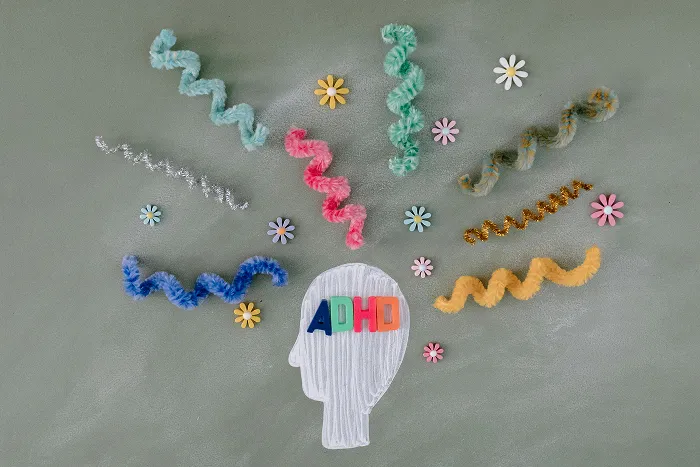
Adult ADHD diagnosis is a clinical assessment, not a single test. Diagnosis is the foundation of any successful ADHD treatment NJ plan, because everything that follows depends on getting this part right. The DSM-5-TR criteria require persistent symptoms of inattention, hyperactivity, or impulsivity that began before age 12 and continue to cause meaningful functional impairment in two or more settings such as work, relationships, or daily life. A proper evaluation moves through several stages:
The psychiatrist will explore current symptoms in detail, including focus and attention, organization, follow-through, time blindness, emotional regulation, and impulsivity. Equally important is the historical picture, since adult ADHD requires evidence that symptoms were present in childhood, even if they were not formally diagnosed at the time.
Symptoms alone do not confirm ADHD. The diagnostic threshold requires that symptoms cause meaningful disruption in two or more settings. This is the part of the evaluation that often distinguishes ADHD from other conditions with overlapping symptoms.
Many adult ADHD presentations involve co-occurring or competing diagnoses. Anxiety, depression, bipolar disorder, sleep disorders, trauma-related conditions, and even thyroid disorders can produce ADHD-like symptoms. Ruling these out (or identifying them when they are co-occurring) is one of the central jobs of an adult ADHD evaluation, and a step that distinguishes thorough ADHD treatment NJ from rapid stimulant prescribing.
Validated screening tools such as the Adult ADHD Self-Report Scale (ASRS) and various performance-based assessments support clinical judgment, but they do not replace it. A score on a screening tool is one piece of evidence among many, not the diagnosis itself.
Medication is the most heavily evidence-backed component of ADHD treatment NJ, and it works for the majority of patients when prescribed correctly. There are two main categories used in adult ADHD treatment NJ.
Stimulants are the first-line pharmacological treatment for ADHD in adults, with strong evidence across decades of research. They fall into two families:
Stimulants typically show effect on the same day, which is one of the few clinical situations in psychiatry where treatment response is rapid. Dose titration is usually based on observed effect within the first 1 to 2 weeks. Side effects to monitor include appetite suppression, sleep disturbance, increased heart rate, and emotional flatness, all of which are usually addressable through dose or formulation adjustments.
Non-stimulants are appropriate when stimulants are not tolerated, when there is a history of substance use, when cardiovascular concerns rule out stimulants, or when co-occurring conditions favor a non-stimulant approach. Common options include:
Non-stimulants typically take 4 to 6 weeks to reach full effect and are dosed differently from stimulants. They are sometimes used in combination with stimulants when impulse control or emotional regulation needs additional support.
Most articles on ADHD treatment NJ describe medication options and assume the prescription will work. In clinical practice, ADHD treatment is one of the most likely areas for treatment to underperform on the first attempt, and the reasons are usually structural rather than biological.
A few honest patterns that competitor pages tend not to surface:
When ADHD treatment fails to land on the first attempt, the question is usually not whether ADHD is real, but whether the treatment plan was built on an accurate diagnosis and tuned to the individual. This is the part of ADHD treatment NJ where ongoing follow-up and willingness to adjust matter most.
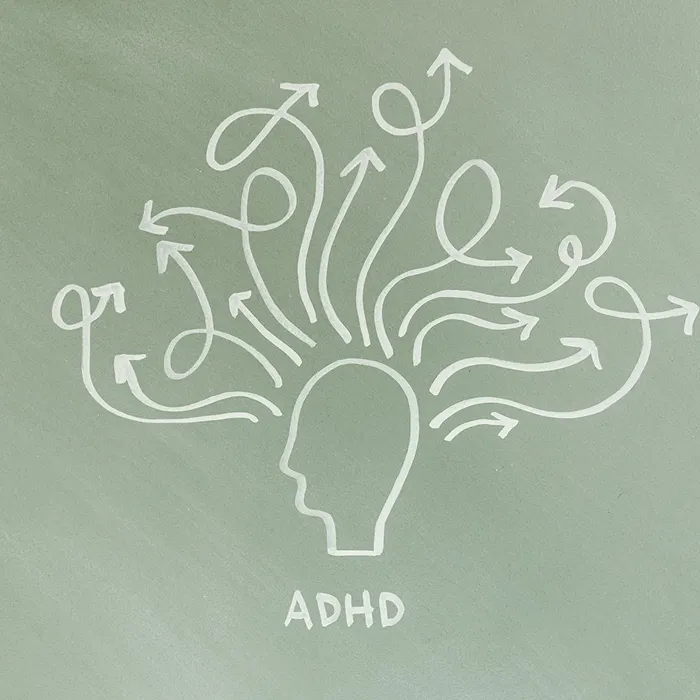
Medication and skills work address different parts of the same problem in ADHD treatment NJ. Medication improves the underlying neurobiological capacity for attention, impulse control, and emotional regulation. Therapy and coaching translate that improved capacity into actual habits, systems, and outcomes.
The most evidence-backed therapeutic approaches for adult ADHD include cognitive behavioral therapy adapted for ADHD (CBT-ADHD), which addresses negative thought patterns, time management, and procrastination, and ADHD coaching, which focuses on practical executive function strategies. Many adults find that the combination of medication and structured behavioral support produces meaningful improvement that medication alone could not deliver, which is why integrated ADHD treatment NJ tends to outperform medication-only care.
At Gimel Health in Fort Lee, NJ, PA-C Michael Feldman provides ADHD evaluation and ongoing medication management for adults across New Jersey and New York. With more than 10 years of background in molecular and cellular biology research before clinical practice, his approach to ADHD treatment NJ is built on careful diagnostic work, evidence-based prescribing, and structured follow-up rather than rapid stimulant scripting. The first appointment is a 50-minute evaluation that covers full history and rules out conditions that mimic ADHD. You can request an initial consultation or read more about adult ADHD treatment at Gimel Health.
Have questions about our health solutions or need support? Reach out using the form below, and our specialized team will respond promptly to assist you.
(201) 815-4351
440 West Str, Ste 307, Fort Lee Bergen County NJ 07024
ADHD treatment NJ begins with a structured psychiatric evaluation covering current symptoms, childhood history, functional impact across two or more life settings, and a careful differential diagnosis to rule out conditions such as anxiety, depression, bipolar disorder, and sleep disorders that produce similar symptoms. Validated screening tools support but do not replace clinical judgment. The diagnostic threshold under DSM-5-TR requires persistent inattention, hyperactivity, or impulsivity beginning before age 12 and causing meaningful disruption in daily functioning. A complete evaluation typically takes 50 minutes or more.
First-line medications for ADHD treatment NJ are stimulants, including methylphenidate-based options such as Ritalin and Concerta and amphetamine-based options such as Adderall and Vyvanse. Non-stimulants such as atomoxetine, guanfacine, and bupropion are used when stimulants are not tolerated, when there is a history of substance use, or when co-occurring conditions favor a non-stimulant approach. The right choice depends on diagnosis, medical history, and individual response, which is why structured medication management and follow-up matter as much as the initial prescription.
Yes, although diagnosis still requires evidence that symptoms were present before age 12, even if they were not formally identified at the time. The National Institute of Mental Health notes that diagnosing ADHD in adulthood relies heavily on past reports of behavior, and providers may ask to talk to family members or review school records to establish childhood symptoms. Many adults entering ADHD treatment NJ for the first time were missed in childhood, particularly those with predominantly inattentive presentation, those who compensated through high effort or intelligence, or those whose symptoms became most disruptive in adulthood as life demands increased. A proper adult ADHD evaluation includes detailed historical questions to establish childhood symptoms alongside current functional impact.
Stimulant medications typically show effect on the same day they are taken, which makes ADHD one of the few areas in psychiatry with rapid medication response. This allows dose titration to happen relatively quickly, usually within 1 to 2 weeks. Non-stimulants such as atomoxetine and guanfacine work differently and take 4 to 6 weeks to reach full effect. Your psychiatric provider will explain the expected timeline based on the specific medication prescribed and adjust the plan based on response and side effects during follow-up appointments.
Coverage depends on your specific plan and provider. Some psychiatric practices accept insurance directly. Others, including Gimel Health, work outside insurance networks under a personalized care model and provide superbills for out-of-network reimbursement, which often covers a portion of the visit cost. It is worth contacting your insurance directly before booking to confirm benefits and whether ADHD evaluation and medication management are covered services under your plan. Stimulant medication itself is generally covered by pharmacy benefits separately from the visit.
It can be managed without medication for some adults, particularly those with mild presentations or strong co-occurring support such as therapy, coaching, and behavioral systems. However, stimulant and non-stimulant medications are by a meaningful margin the most evidence-backed component of ADHD treatment NJ, with response rates higher than most other psychiatric interventions. Non-medication approaches are often most effective alongside medication rather than as a substitute, particularly when symptoms are causing serious disruption to work, relationships, or daily functioning.
Explosive anger can damage relationships, create problems at...Read More
If you have been searching for OCD treatment...Read More
If you have searched for pills for anger...Read More
Roughly three-quarters of menstruating people experience some form...Read More
If you are considering a psychiatric evaluation NYC...Read More
If you grew up hearing the term “manic...Read More
We use cookies to improve your experience on our site. By using our site, you consent to cookies.
Manage your cookie preferences below:
Essential cookies enable basic functions and are necessary for the proper function of the website.
These cookies are needed for adding comments on this website.
Google reCAPTCHA helps protect websites from spam and abuse by verifying user interactions through challenges.
Google Tag Manager simplifies the management of marketing tags on your website without code changes.
Statistics cookies collect information anonymously. This information helps us understand how visitors use our website.
Vimeo is a video hosting platform for high-quality content, ideal for creators and businesses to showcase their work.
Service URL: vimeo.com (opens in a new window)
You can find more information in our Cookie Policy and Privacy Policy.

Comprehensive services are designed for each individual. Treatment of Anxiety, Depression, ADHD, Eating Disorders,
Psychosis, schizophrenia, and other psychiatric conditions.
Sign up to our newsletter