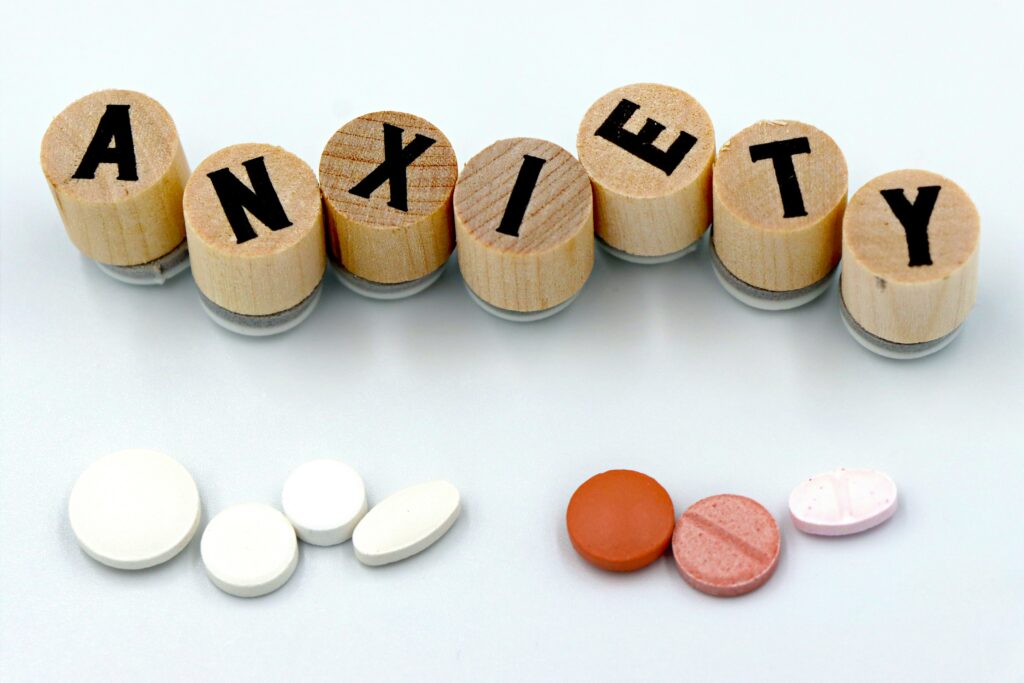
Anxiety is one of the most common mental health challenges facing adults and professionals today. If you are seeking anxiety treatment NY that goes beyond generic solutions and focuses on tailored, patient-centered care, it is important to understand what quality treatment should look like. Personalized care means more than symptom relief. It means building a long-term plan that supports consistent improvement, resilience, and coping across the many demands of work and life.
At Gimel Health, anxiety care is designed to meet you where you are and help you get to where you want to be. This guide will help you make informed decisions about your care and know what to expect if you choose a personalized anxiety treatment program.
Understanding Anxiety and Its Impact
Anxiety can appear in many forms. You might notice persistent worry or intrusive thoughts that distract from daily tasks or professional responsibilities. Some people struggle with panic attacks that strike unexpectedly and disrupt productivity or social interactions. Others experience social anxiety that makes workplace presentations or networking feel overwhelming.
Whatever form it takes, untreated anxiety can interfere with concentration, decision-making, and emotional balance. Seeking professional support early can alleviate the toll anxiety takes on personal and professional success.
What Personalized Anxiety Treatment NY Involves
Personalized anxiety treatment is not one-size-fits-all. Instead, it begins with a comprehensive psychiatric evaluation to understand your symptoms, medical history, lifestyle factors, and goals for care. Clinicians use this information to create an individualized care plan rather than relying on standard protocols alone.
At Gimel Health, treatment may include:
- Medication management tailored to your needs and adjusted over time.
- Coordination with therapists or psychologists for evidence-based therapy referrals.
- Support for anxiety types such as generalized anxiety disorder, panic disorder, social anxiety, and trauma-related conditions.
This blended approach reflects research showing that combining clinical expertise with practical skills and coping strategies leads to better outcomes.
Why Medication Management Matters
Many individuals pursuing anxiety treatment benefit from precision medication management. The right medication can reduce symptoms that interfere with daily functioning. However, matching the appropriate prescription and dose to your unique biology and life context is a process of careful testing and monitoring.
With personalized medication management, places like Gimel Health track response over time, adjust dosages, and partner with you to minimize side effects and maximize benefits. This dynamic approach fosters stability and confidence, especially for professionals balancing high-pressure environments with emotional health needs.
The Role of Evidence-Based Therapy in Treatment
Medication is often most effective when paired with evidence-based therapeutic techniques. Cognitive Behavioral Therapy (CBT), exposure therapy, and mindfulness practices each offer tools to reshape thought patterns and strengthen emotional regulation.
When anxiety disrupts performance, building coping strategies not only enhances symptom relief but also improves resilience in stress-filled work scenarios. Collaboration between psychiatric providers and therapists ensures your treatment plan is comprehensive and continuously evolving.
How to Choose the Right Provider
When evaluating anxiety treatment options, especially in a busy city like New York, consider the following:
- Personalized evaluation: Ensure your provider conducts a thorough assessment before recommending treatment.
- Ongoing monitoring: Anxiety care is a journey. A quality provider will offer consistent check-ins and adjust your plan as your needs change.
- Collaborative care: Look for clinicians who work with therapists, lifestyle coaches, or other specialists when appropriate to support your long-term wellness goals.
A trusted care partner will make the process predictable, supportive, and effective over time.
Preparing for Your First Appointment
Ahead of your first session, gather relevant information such as your medical history, previous treatments, and notes about your anxiety symptoms. Being prepared helps your provider tailor their initial evaluation and build a meaningful treatment strategy from the start.
Personalized anxiety treatment is not just about feeling better today. It is about building long-term mental resilience, enhancing daily functioning, and supporting your goals; whether that is leading a team, growing a business, or managing stress without it controlling your life.